

[fusion_global id=”3750″][fusion_builder_container hundred_percent=”no” equal_height_columns=”no” hide_on_mobile=”small-visibility,medium-visibility,large-visibility” background_position=”center center” background_repeat=”no-repeat” fade=”no” background_parallax=”none” parallax_speed=”0.3″ video_aspect_ratio=”16:9″ video_loop=”yes” video_mute=”yes” border_style=”solid” type=”legacy”][fusion_builder_row][fusion_builder_column type=”1_1″ layout=”1_1″ background_position=”left top” border_style=”solid” border_position=”all” spacing=”yes” background_repeat=”no-repeat” margin_top=”0px” margin_bottom=”0px” animation_speed=”0.3″ animation_direction=”left” hide_on_mobile=”small-visibility,medium-visibility,large-visibility” center_content=”no” last=”true” hover_type=”none” first=”true” background_blend_mode=”overlay” min_height=”” link=””][fusion_text columns=”” column_min_width=”” column_spacing=”” rule_style=”” rule_size=”” rule_color=”” hue=”” saturation=”” lightness=”” alpha=”” content_alignment_medium=”” content_alignment_small=”” content_alignment=”” hide_on_mobile=”small-visibility,medium-visibility,large-visibility” sticky_display=”normal,sticky” class=”” id=”” margin_top=”” margin_right=”” margin_bottom=”” margin_left=”” fusion_font_family_text_font=”” fusion_font_variant_text_font=”” font_size=”” line_height=”” letter_spacing=”” text_transform=”none” text_color=”” animation_type=”” animation_direction=”left” animation_color=”” animation_speed=”0.3″ animation_delay=”0″ animation_offset=””]
Eligibility Criteria:
Ages: 20-30 and older
Study Length: 5 weeks
Visits: 8
People who use marijuana infrequently sometimes have a difficult time believing that it is addictive. While it’s true that cannabis is not as addictive as alcohol, cocaine, or other drugs, cannabis addiction (marijuana addiction) is real. Studies show that 30% of users exhibit problem use, and 10% exhibit signs of marijuana addiction. Signs of marijuana dependence and addiction include trying but failing to quit using, craving marijuana, and continuing to use it despite problems in life and relationships. For those who try and fail to quit using marijuana, avoidance of withdrawal symptoms is the leading cause of relapse.
read more about Cannabis Withdrawal Syndrome
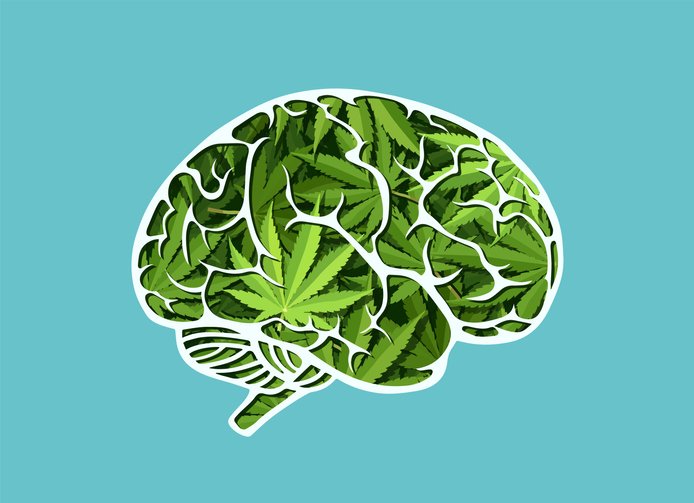
How marijuana dependence develops
When an individual uses marijuana frequently or heavily, their brain adapts by reducing the production of certain neurotransmitters and relying on the drug instead. This means their body has become dependent on endocannabinoids in the marijuana to help regulate certain functions in the body.
So when the user stops consuming marijuana, there is an interruption in these essential functions. During the time it takes to bring the system back into balance, uncomfortable withdrawal symptoms arise. Marijuana metabolizes out of the body slowly, and until that process is complete (which takes about 30 days), the system remains influx.
Symptoms of Cannabis Withdrawal
The symptoms of cannabis withdrawal can include the following, which can appear at various stages of the withdrawal timeline:
- Irritability, anger, and aggression
- Anxiety and restlessness
- Difficulty sleeping
- Loss of appetite
- Nausea and vomiting
- Sweating and chills
- Headaches
- Tremors and shakes
- Depression and mood swings
- Cravings for cannabis
- Clinical Management of Cannabis Withdrawal
Cannabis withdrawal is a relatively new phenomenon, but as more and more people seek treatment for cannabis dependence, there is a growing need for effective clinical management of cannabis withdrawal.
Marijuana withdrawal timeline and symptoms
Clinical Management of Cannabis Withdrawal
The clinical management of cannabis withdrawal typically involves a combination of behavioral therapies and medication. Behavioral therapies, such as cognitive-behavioral therapy (CBT), can be effective in helping people manage their symptoms of cannabis withdrawal. CBT focuses on helping people identify and change their thoughts and behaviors related to cannabis use, which can reduce the severity of withdrawal symptoms. read about What Medications Are Used for Cannabis Withdrawal?
Although there is no approved medication for cannabis withdrawal, there are some options that have been shown to be effective in managing the symptoms of cannabis withdrawal. The medications include:
- Benzodiazepines: helps reduce anxiety and insomnia
- Antidepressants, such as SSRIs (selective serotonin reuptake inhibitors), can be effective in managing the symptoms of depression and mood swings
Clinical research studies in San Diego | Synergy Research Centers
If you think you may be experiencing cannabis withdrawal consider participating in our trial. For more information on how you can participate, please give us a call at (888) 539-0282 or fill out our contact form today.
[/fusion_text][/fusion_builder_column][/fusion_builder_row][/fusion_builder_container][fusion_global id=”3468″][fusion_builder_container hundred_percent=”yes” overflow=”visible” type=”legacy”][fusion_builder_row][fusion_builder_column type=”1_1″ layout=”1_1″ background_position=”left top” border_style=”solid” spacing=”yes” background_repeat=”no-repeat” margin_top=”0px” margin_bottom=”0px” animation_speed=”0.3″ animation_direction=”left” hide_on_mobile=”no” center_content=”no” min_height=”none” last=”true” hover_type=”none” border_position=”all” align_self=”flex-start” first=”true” background_blend_mode=”overlay” link=””][fusion_text rule_style=”default” hide_on_mobile=”small-visibility,medium-visibility,large-visibility”]
Helpful Information
[/fusion_text][fusion_recent_posts layout=”default” picture_size=”fixed” hover_type=”none” columns=”3″ number_posts=”3″ post_status=”” offset=”0″ pull_by=”category” cat_slug=”cannabis” exclude_cats=”” tag_slug=”” exclude_tags=”” thumbnail=”yes” title=”yes” title_size=”4″ fusion_font_family_title_font=”” fusion_font_variant_title_font=”” title_font_size=”” title_line_height=”” title_letter_spacing=”” title_text_transform=”” meta=”no” meta_author=”no” meta_categories=”no” meta_date=”yes” meta_comments=”yes” meta_tags=”no” content_alignment=”” excerpt=”yes” excerpt_length=”35″ strip_html=”yes” scrolling=”no” margin_top=”” margin_right=”” margin_bottom=”” margin_left=”” hide_on_mobile=”small-visibility,medium-visibility,large-visibility” class=”” id=”” animation_type=”” animation_direction=”left” animation_color=”” hue=”” saturation=”” lightness=”” alpha=”” animation_speed=”0.3″ animation_delay=”0″ animation_offset=”” /][/fusion_builder_column][/fusion_builder_row][/fusion_builder_container]